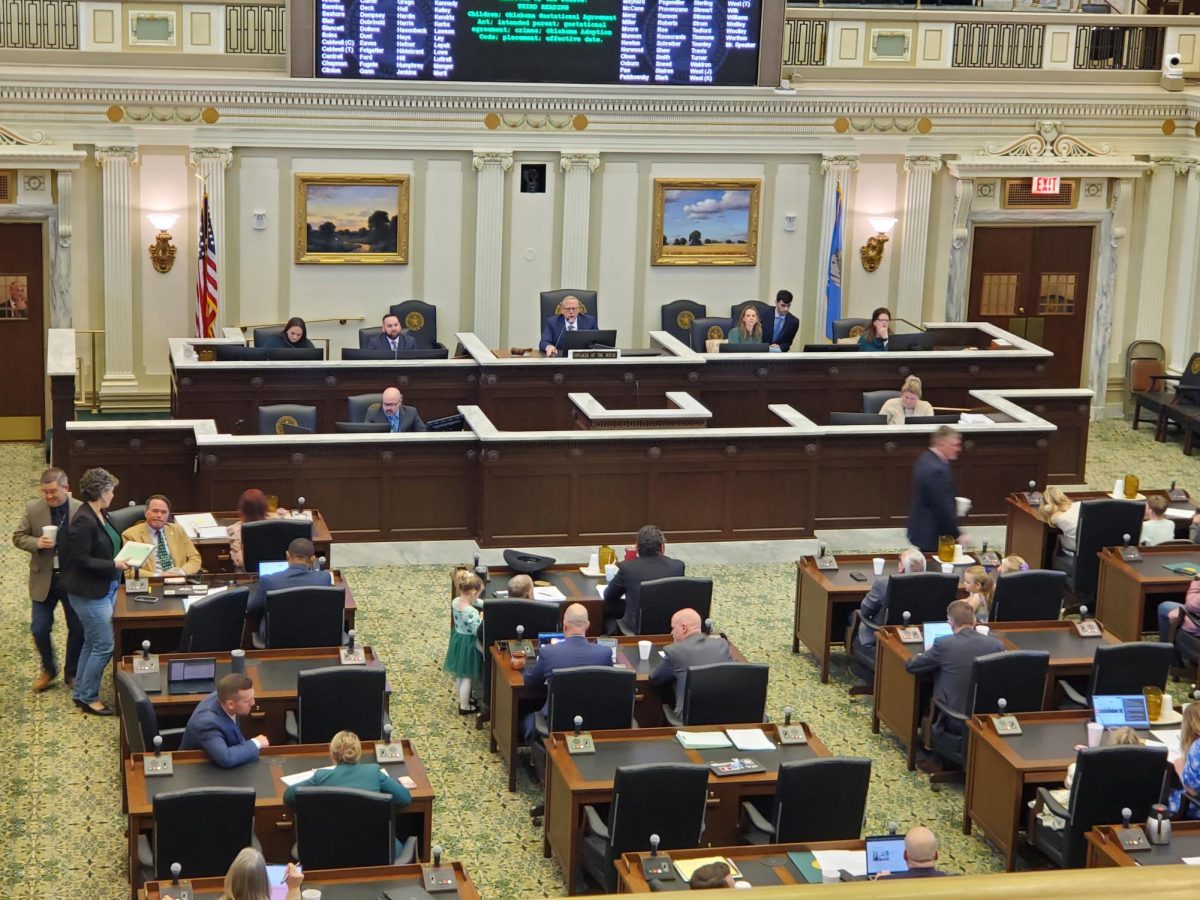
The Oklahoma House of Representatives passed a legislative measure designed to improve literacy among young drivers.
House Bill 4153 would require potential drivers under the age of 18 to pass the eighth-grade OSTP reading test before they would be able receive a permit or a driver’s license.
The bill made it through the House of Representatives in March with a vote of 68 to 25, and has moved to the Oklahoma Senate, where it was referred to the Senate Education Committee at the start of April. To pass, the bill has to be approved by the Senate and signed by Gov. Kevin Stitt.
The bill looks to reinstate a law that was removed in 2022, despite its longevity in the state.
HS 4153 was authored by Rep. Toni Hasenbeck (R-Elgin) and Sen. Adam Pugh (R-Edmond), both of whom are running for state superintendent of public instruction. Hasenbeck is a former middle school English teacher. The bill would include some exceptions with documentation for those individuals with Individualized Education Programs (IEPs). Service Oklahoma is set to deny any applications if a minor applies without the needed test results.
“Learning to drive is an important milestone for young people, and it can also be a powerful motivator,” Hasenbeck said in a House press release. “By restoring this literacy requirement, we’re encouraging students to take reading seriously and ensuring they have the basic skills they need to navigate both the classroom and the real world safely.”
The house bill 4135 was passed unanimously by vote out of the House Public Safety Committee on February 18. Provisions for different testing methods and documentation of reading proficiency is also included in HB4153. The students who fail the test go through a redemption plan.
According to the bill, people who are caught faking the document of reading proficiency can be found guilty of a misdemeanor.
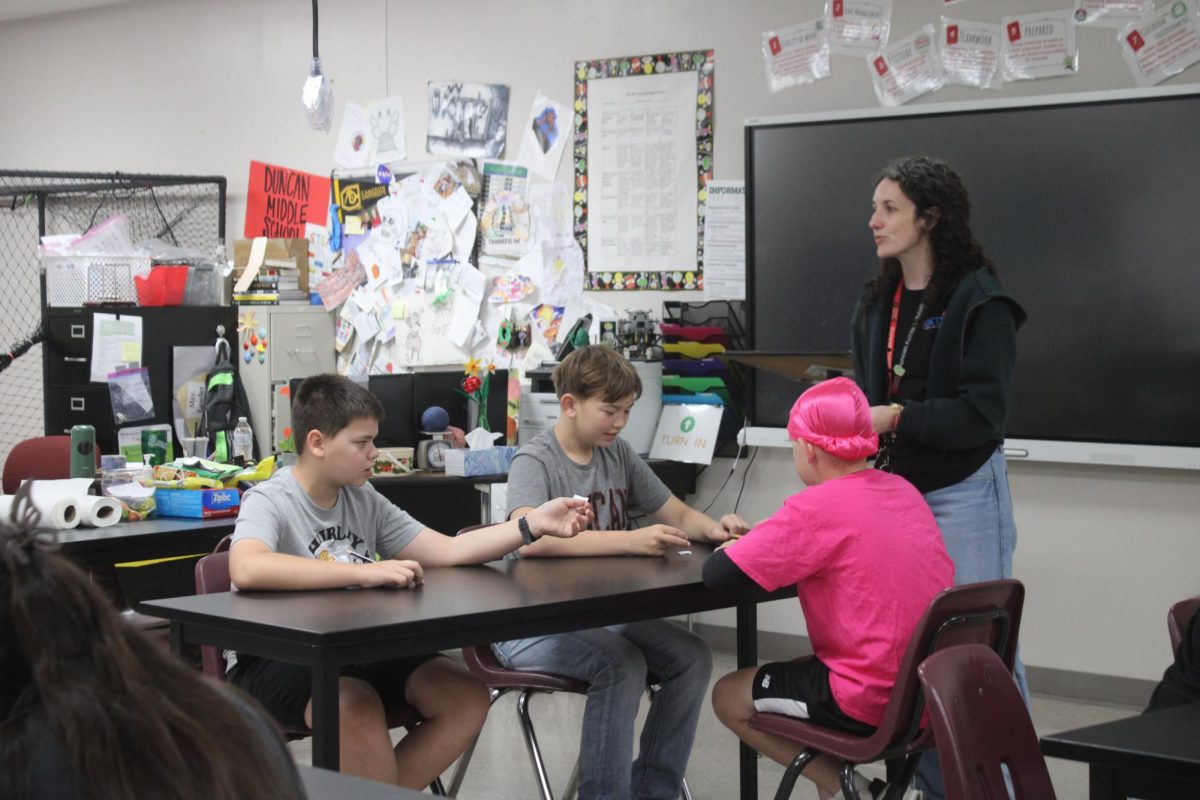
Some Duncan Middle School teachers said they are glad the law may be returning to Oklahoma.
Social studies teachers Kaitlin Anderson and Chuck Wagner said the bill could make a positive impact on middle school students.
“I think this will encourage students to improve their reading more,” Anderson said.
Wagner had similar thoughts.
“Minors should be more observant,” he said.
The bill has to be approved by the Senate no later than May 7. The legislative session is set to end May 29.