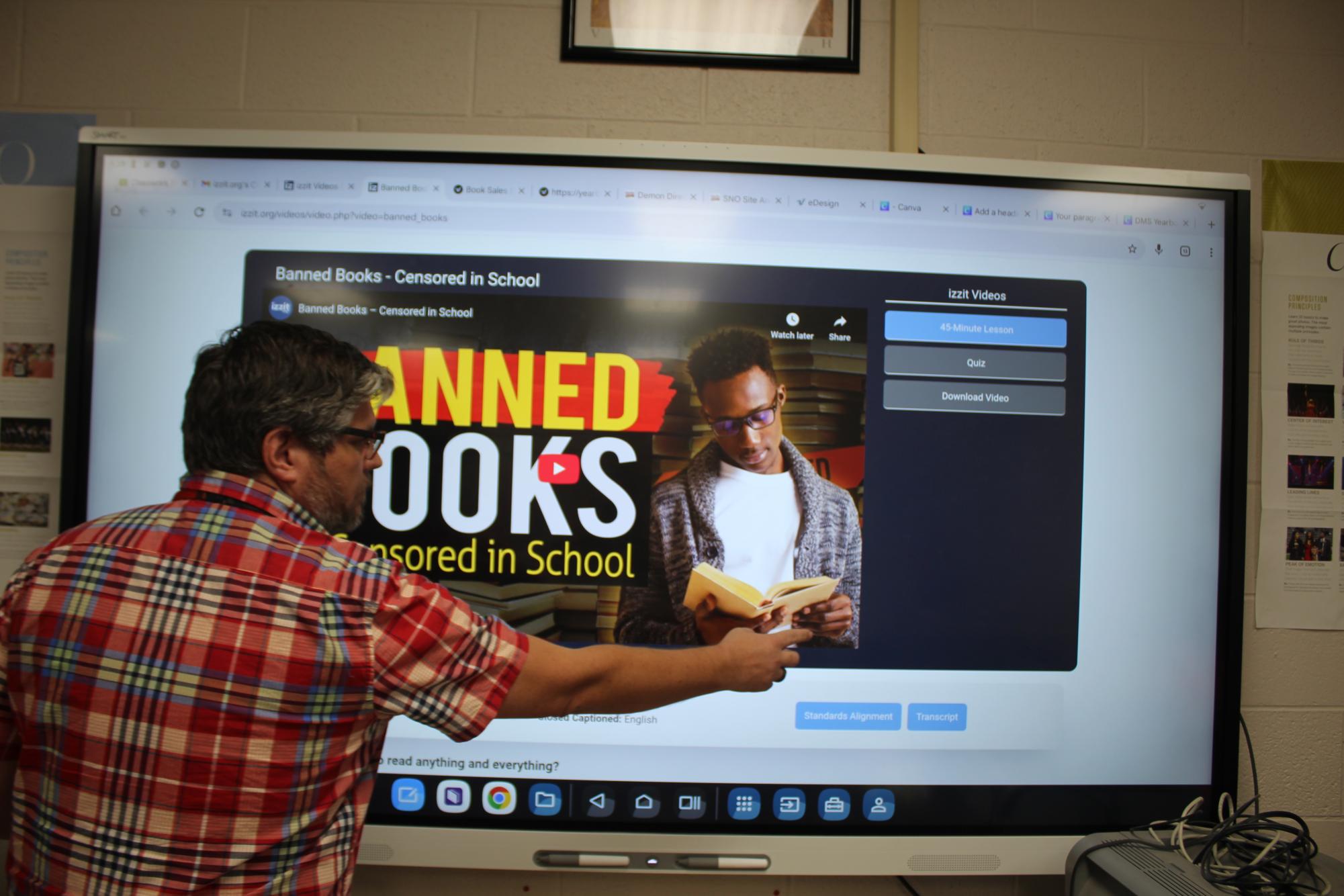
Barbara Gee thinks people should pay attention to books that have banned or challenges.
After all, that’s what Banned Books Week is all about. This week marks the annual recognition week, and this year’s theme is “Censorship Is So 1984: Read for Your Rights.”
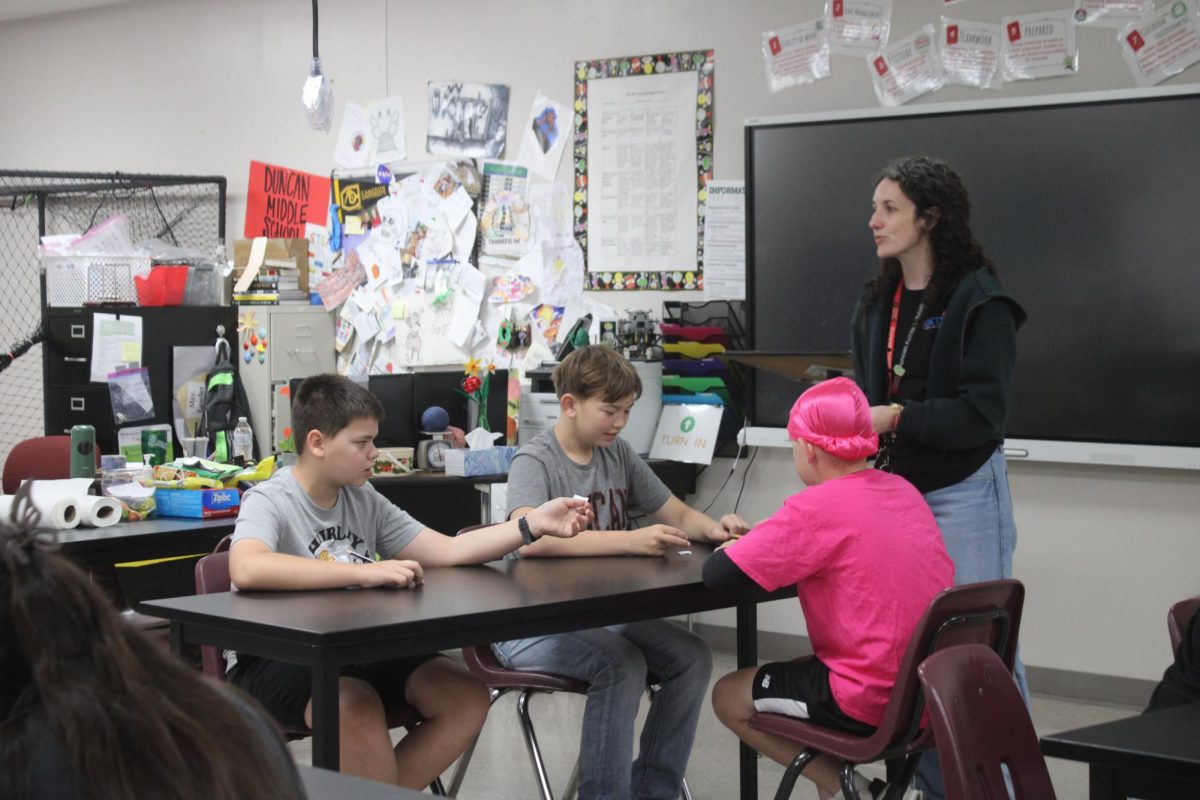
Gee, the Duncan Middle School librarian, said Banned Books Week is about showing gratitude for books, especially those that people took offense to and have championed removal from libraries across the United States.
According to the Banned Books Week website, “Banned Books Week was launched in 1982 in response to a sudden surge in the number of challenges to books in libraries, bookstores, and schools. Held in the last week of September or first week of October, the annual event highlights the value of free and open access to information and brings together the entire book community — librarians, educators, authors, publishers, booksellers, and readers of all types — in shared support of the freedom to seek and to express ideas.”
Not only did Banned Books Week start in 1982, but one of the most important and influential court cases dealing with banned books in school also occurred in 1982.
Island Trees School District v. Pico placed a limitation on a school board’s ability to remove books from a school library. In this case, fought for their First Amendment rights and won, after school board member removed books from the school library.
Gee said books are often banned, challenged or removed from libraries because someone took offense to what was contained in the pages. However, she said that just because a book is banned doesn’t mean it doesn’t belong in a library.
Layton Toomey, an eighth-grade student, said he thinks banning books is ridiculous because some of the rationale doesn’t make sense to him. For instance, the banning of Harry Potter books, such as what happened with Counts v. Cedarville, because of the witchcraft elements of the story, isn’t something that Toomey fully understands.
Although there hasn’t been a push to recognized Banned Books Week at Duncan Middle School, Duncan Public Library does celebrate the week. The Friends of the Duncan Public Library even sold T-shirts with the phrase “Freedom to Read” across the chest.
Gee said she enjoys reading and takes time out of her day to read. She said reading makes her feel something she wouldn’t feel in life otherwise.
“We shouldn’t base our negative opinions on one book,” Gee said.
Toomey said he doesn’t know much about Banned Books Week, but he thinks it’s important to recognize banned books.
“I don’t read a lot, but I like Marvel short stories because I like superheroes,” he said. “My favorite one is Spider-Man.¨
Comic books, including Marvel Comics and even Spider-Man comics, have been challenged or banned. In 1954, the Comic Code Authority even put oversights into content contained in comic books, but the Comic Code Authority became a thing of the past in the early 21st Century.